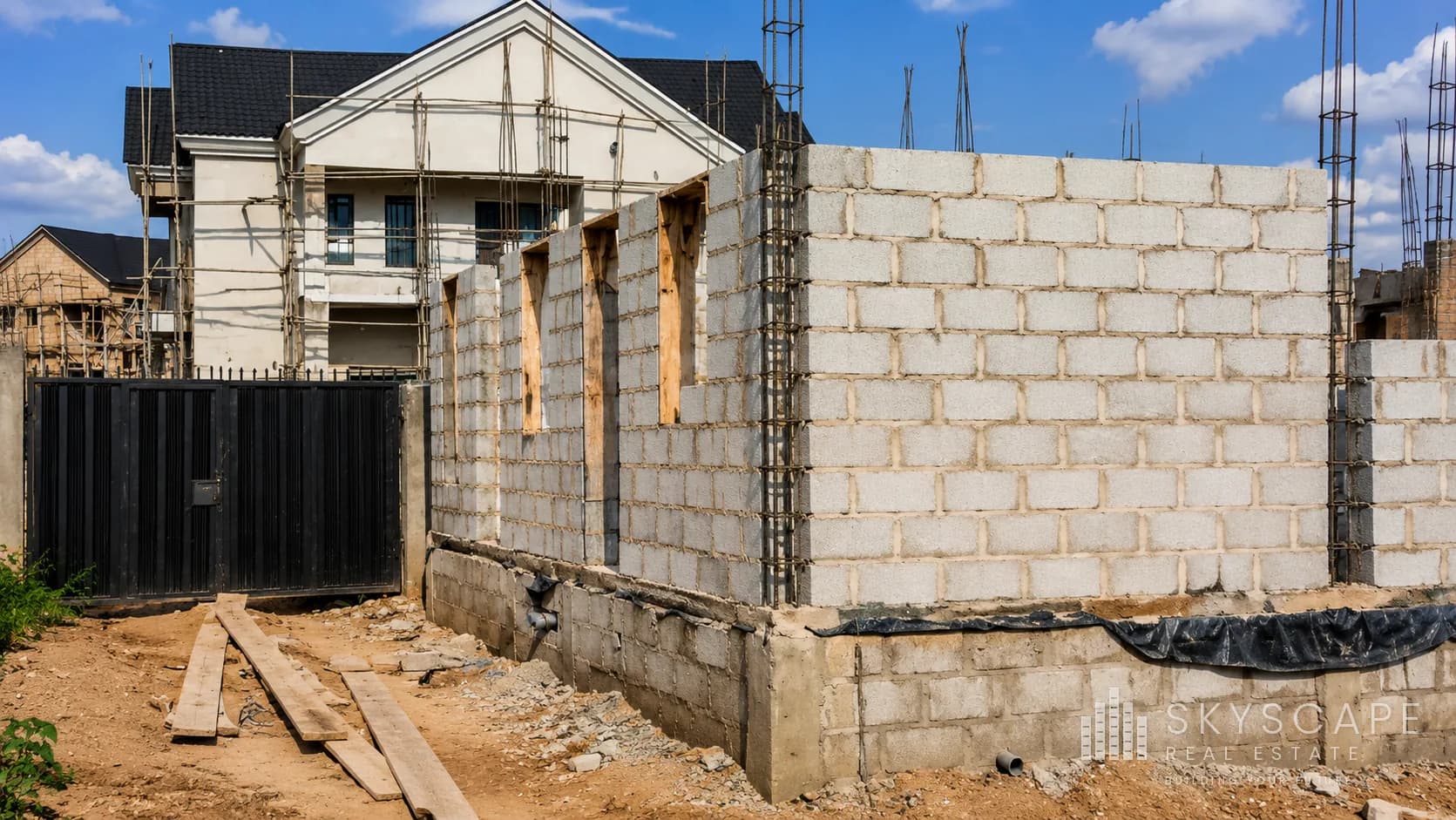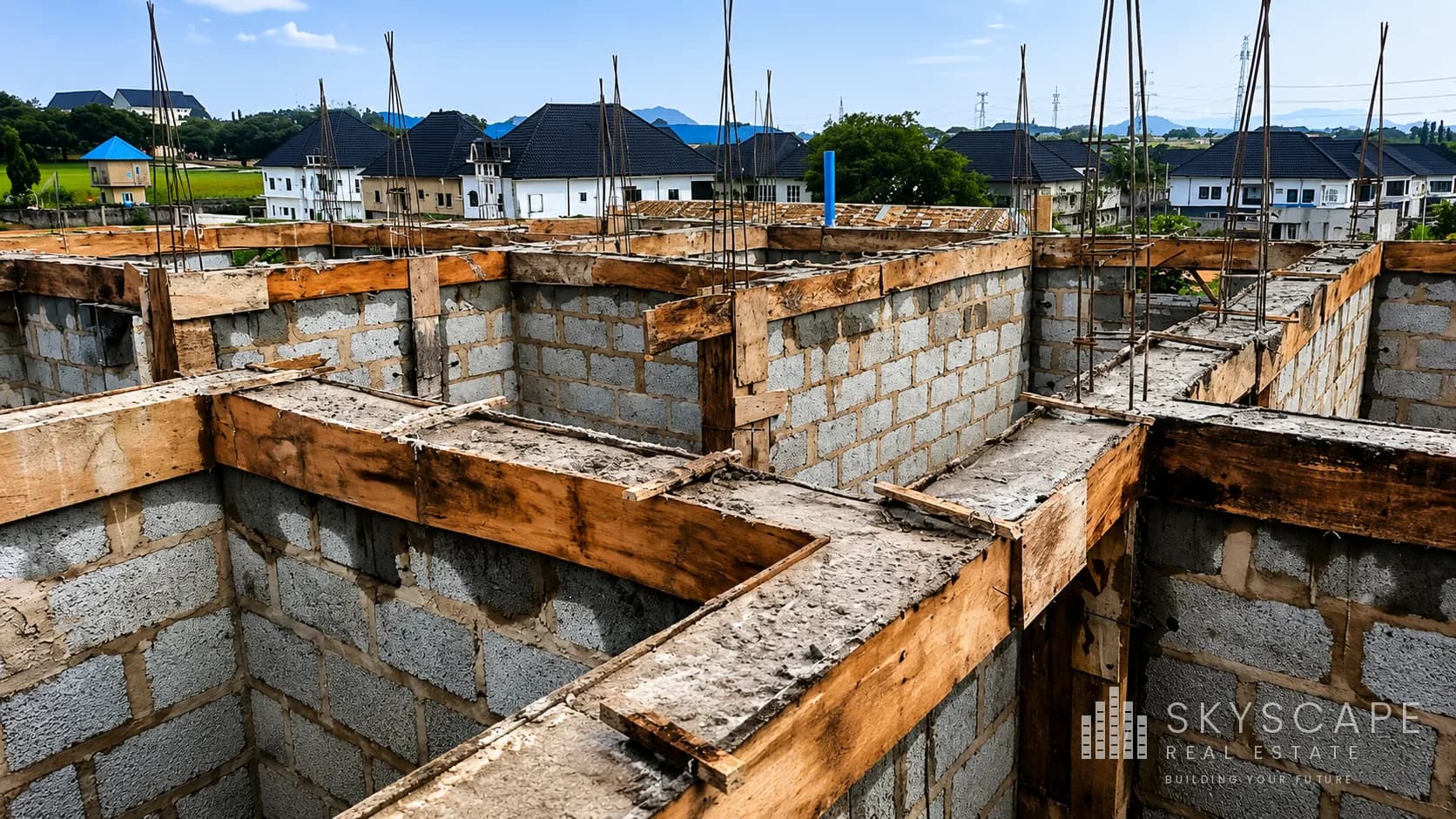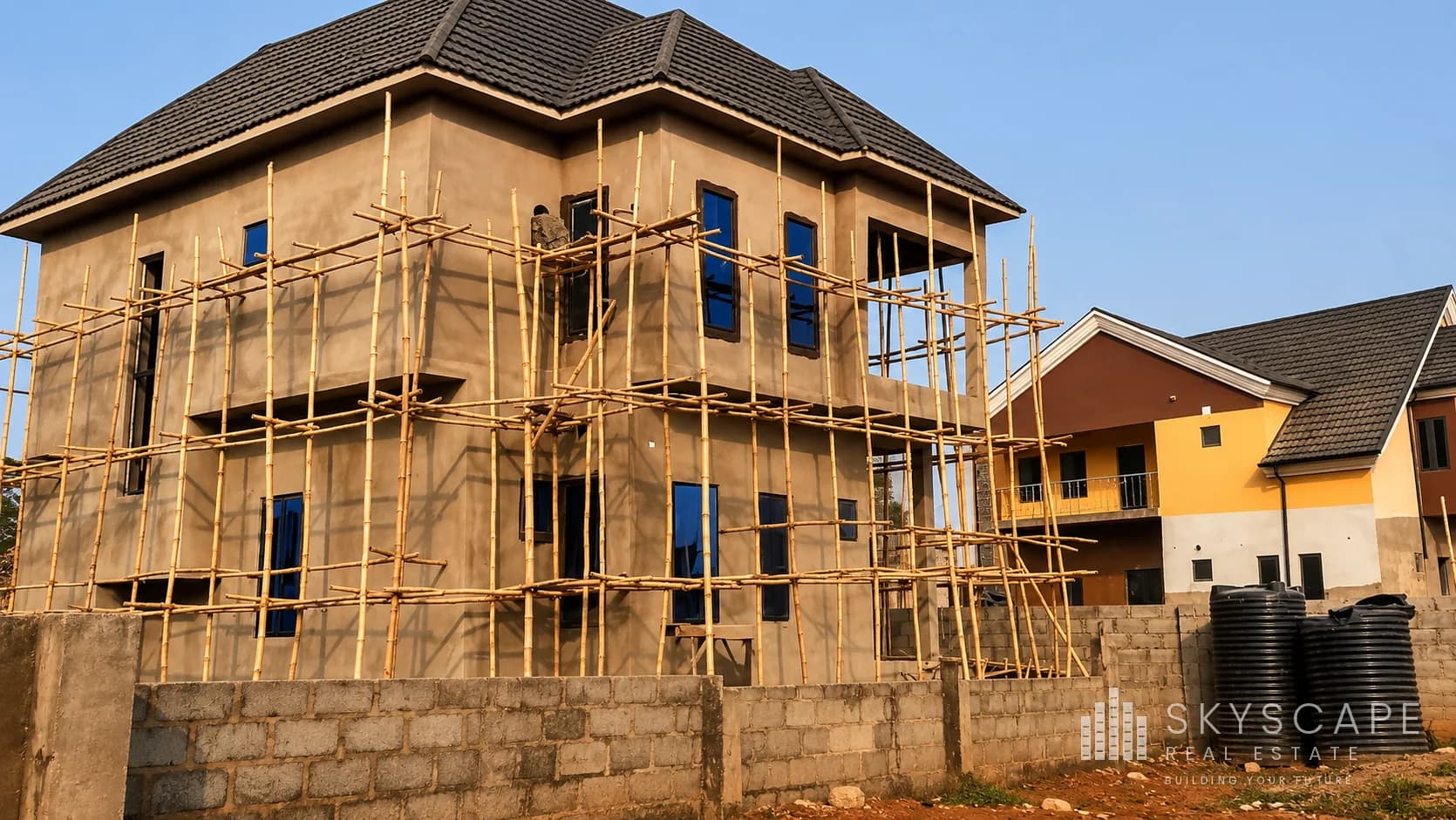
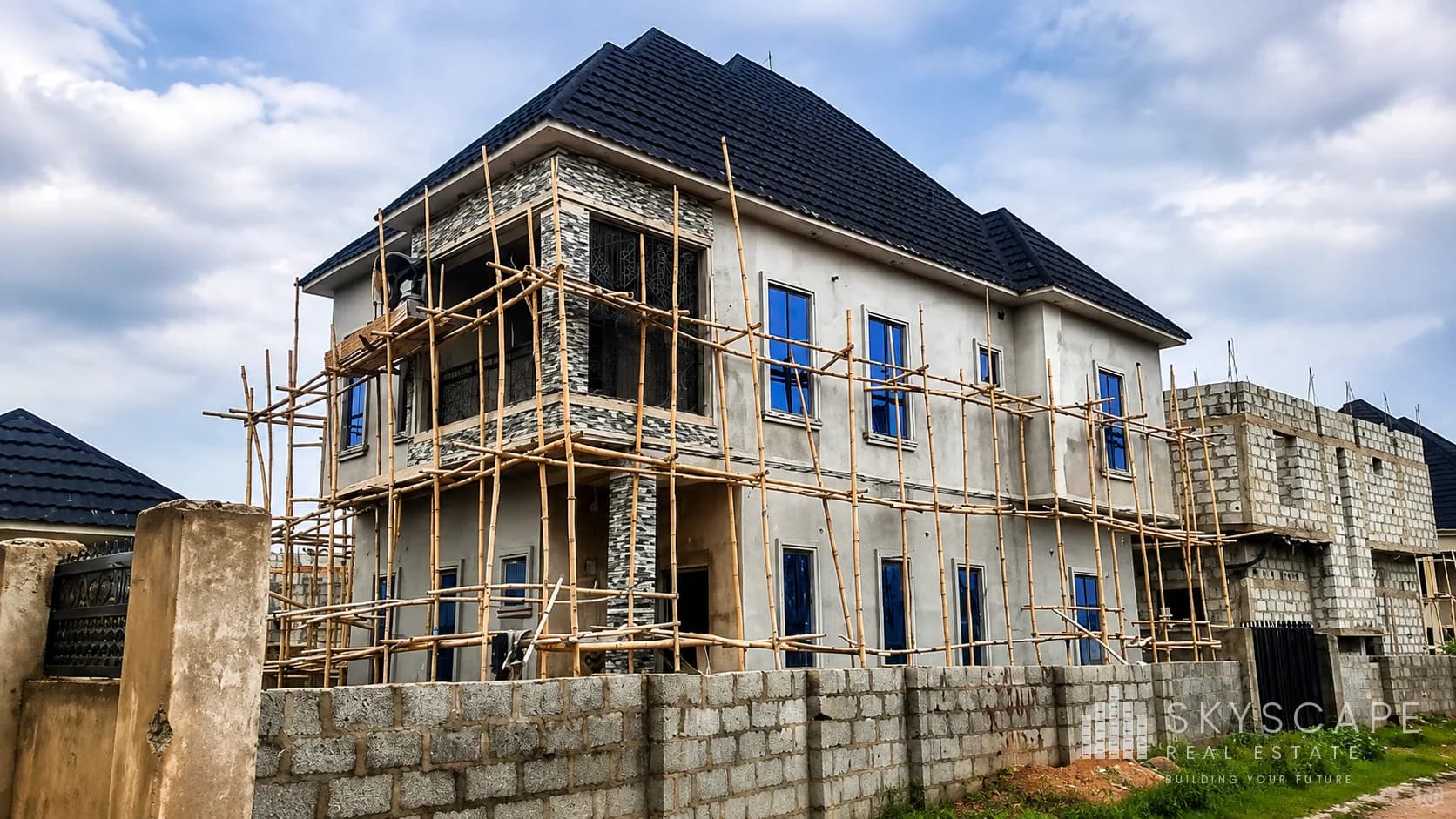
Most construction disputes in Abuja are not caused by bad luck, bad weather or bad materials. They are caused by an appointment made on the basis of a low price and a confident conversation.
Choosing a contractor is the single highest-leverage decision in a building project. It is made early, when you have the least information, and it constrains everything that follows. What follows is what to actually check — and what the answers tell you.
Start with registration and legal standing
A construction company should be a registered legal entity with a verifiable RC number issued by the Corporate Affairs Commission. Ask for it, and check that the registered name matches the name on the quotation, the invoice and the bank account you are asked to pay into.
A mismatch between these is not administrative untidiness. It removes your legal recourse if something goes wrong, because the entity you contracted with is not the entity you paid.
- CAC registration and a verifiable RC number
- Registered name matching quotation, invoice and bank details
- A fixed business address you can visit
- Professional registration for the engineers and architects on the project
Ask for evidence, not photographs
Every contractor has photographs. Photographs prove that a building exists, not that this company built it, finished it on programme, or left the client willing to work with them again.
Ask for the addresses of two or three completed projects and permission to speak to those clients directly. A contractor with a good record will arrange it without hesitation. One who deflects — clients are travelling, projects are confidential, photographs should be enough — has told you something useful.
When you do speak to a past client, the informative questions are not about satisfaction. Ask what went wrong, how it was handled, whether the final cost matched the quotation, and whether they would appoint the same company again.
Read the quotation, not just the total
A single lump sum with no breakdown is not a quotation. It is a number that cannot be compared, interrogated or held to.
What you want is a priced bill of quantities: materials, labour and preliminaries itemised, with a stated preparation date and validity period. This lets you compare three contractors on identical scope rather than on confidence, and it makes variations visible when they arise instead of absorbing them silently.
- Itemised materials, labour and preliminaries
- Date prepared and how long the pricing holds
- Which items are provisional and why
- What is explicitly excluded from the scope
- Payment schedule tied to completed stages, not to dates
Why the lowest quotation is usually the most expensive
When one quotation is dramatically below the others, the difference is rarely efficiency. It is scope. Something has been left out, priced thin, or specified down — and it will reappear later as a variation, at a moment when you have no leverage because the structure is half-built.
The other possibility is worse: the price is genuine, the margin is negative, and the contractor intends to fund your project from the next client’s deposit. That model works until it does not, and when it fails it fails on somebody’s site.
Where a quotation is significantly lower, ask the contractor to walk you through why, item by item. A good answer is specific. A vague one is a forecast.
Insist on a written contract
A great deal of residential construction in Nigeria proceeds on a handshake and a WhatsApp thread. This works until there is a disagreement, at which point neither party can demonstrate what was agreed.
A written contract protects both sides. It should record the scope, the priced breakdown, the programme, the payment schedule, how variations are priced and approved, what happens if either party delays, and a defects liability period after handover.
- Agree the scope and specification in writing before any payment.
- Tie payments to verified completed stages rather than to calendar dates.
- Require written approval for any variation before the work is carried out.
- Retain a percentage until the defects liability period expires.
Establish who supervises, and how often
Ask who will be on site day to day, how often a qualified engineer attends, and how progress will be reported to you. A contractor who cannot answer this clearly is describing a site that will be run by whoever happens to be present.
Supervision is also where quality is actually determined. Reinforcement is checked before concrete is poured, or it is not checked at all — once the pour is complete, nobody can verify what is inside it.
Warning signs worth walking away from
None of these is proof of bad faith on its own. Two or three together is a pattern, and the cost of acting on that pattern early is a few weeks of delay. The cost of ignoring it is a stalled site and a legal process.
- Pressure to pay a large deposit before any contract is signed
- Payment requested into a personal account rather than the company account
- Reluctance to provide an itemised breakdown
- No named engineer or architect attached to the project
- Refusal to put anything in writing
- A price far below every other quotation, unexplained
- Past clients who cannot be contacted